Water Heater Damage Cleanup: Extraction, Drying & Material Removal
A tank leak can affect more than the utility room. We follow the water into nearby materials, remove accessible water and use moisture readings to guide drying. Our Willow Grove crew can arrive within 60 minutes in the 12 listed communities; call for the current arrival estimate.
Call now for emergency dispatch. Crews are on standby 24/7.
Damage is stable and you're researching options? Use the form below.
Jump to Request Form ↓We can arrive within 60 minutes in our listed communities. Call for the current estimate.
Specialized cleanup for burst tanks, leaking supply lines, and basement floods.
We help organize photos, job notes, and claim details.
Send Us A Message
Request received.
Thanks for reaching out. We will contact you about your request. For active flooding or standing water, call 267-486-2628 immediately.
We help document damage and keep communication moving during the claim process.
Emergency calls are prioritized for Montgomery County and nearby towns listed on this page.
Our crew has served homeowners in all 12 communities featured on this site and many others.
The repair and the cleanup are separate jobs
Stopping the leak comes first. A plumber repairs or replaces the failed water heater and makes the plumbing connections. Restoration 365 addresses the water that has already entered the building: extraction, moisture assessment, drying and necessary damaged-material removal.
Before work starts, we explain the affected areas and proposed scope. Tell us whether the leak is still active, whether the water supply is off, and whether a plumber has attended. Do not enter standing water to check equipment.
562 Davisville Road
Willow Grove, PA 19090
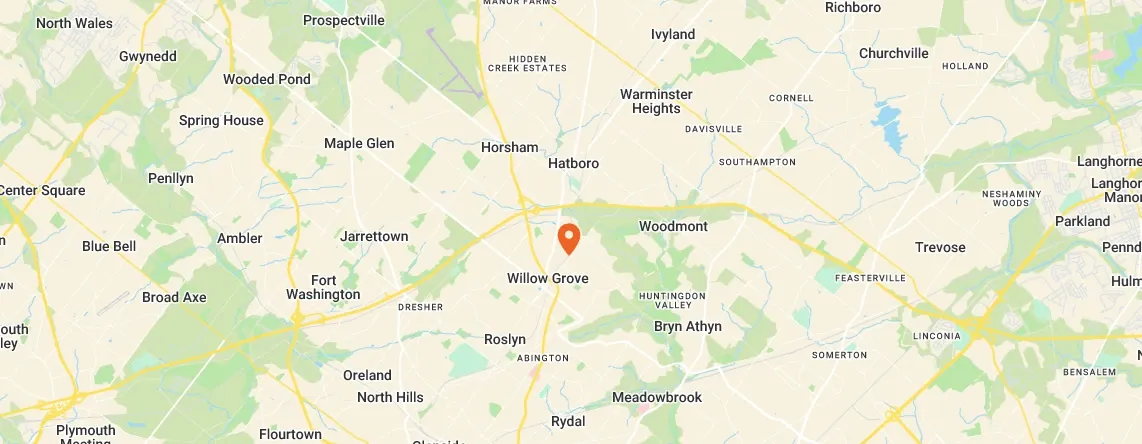
Montgomery County, PA including Willow Grove, Abington, Upper Moreland, Hatboro, Horsham, Glenside, Blue Bell, Dresher, Roslyn, Huntingdon Valley, Lower Moreland, and Upper Dublin.
1. Assess the affected materials
We inspect the path water has taken from the tank or its connections. That may include the utility space, adjoining walls, floor coverings and rooms below. Moisture meters help check materials; thermal imaging can highlight temperature differences that need further investigation.
We identify access needs and visible hazards before choosing equipment or proposing removal. Tell us about earlier leaks, recent replacement work or any changes you have noticed. These details help separate the current damage from pre-existing conditions.
2. Extract, open where needed, and dry
Remove accessible water
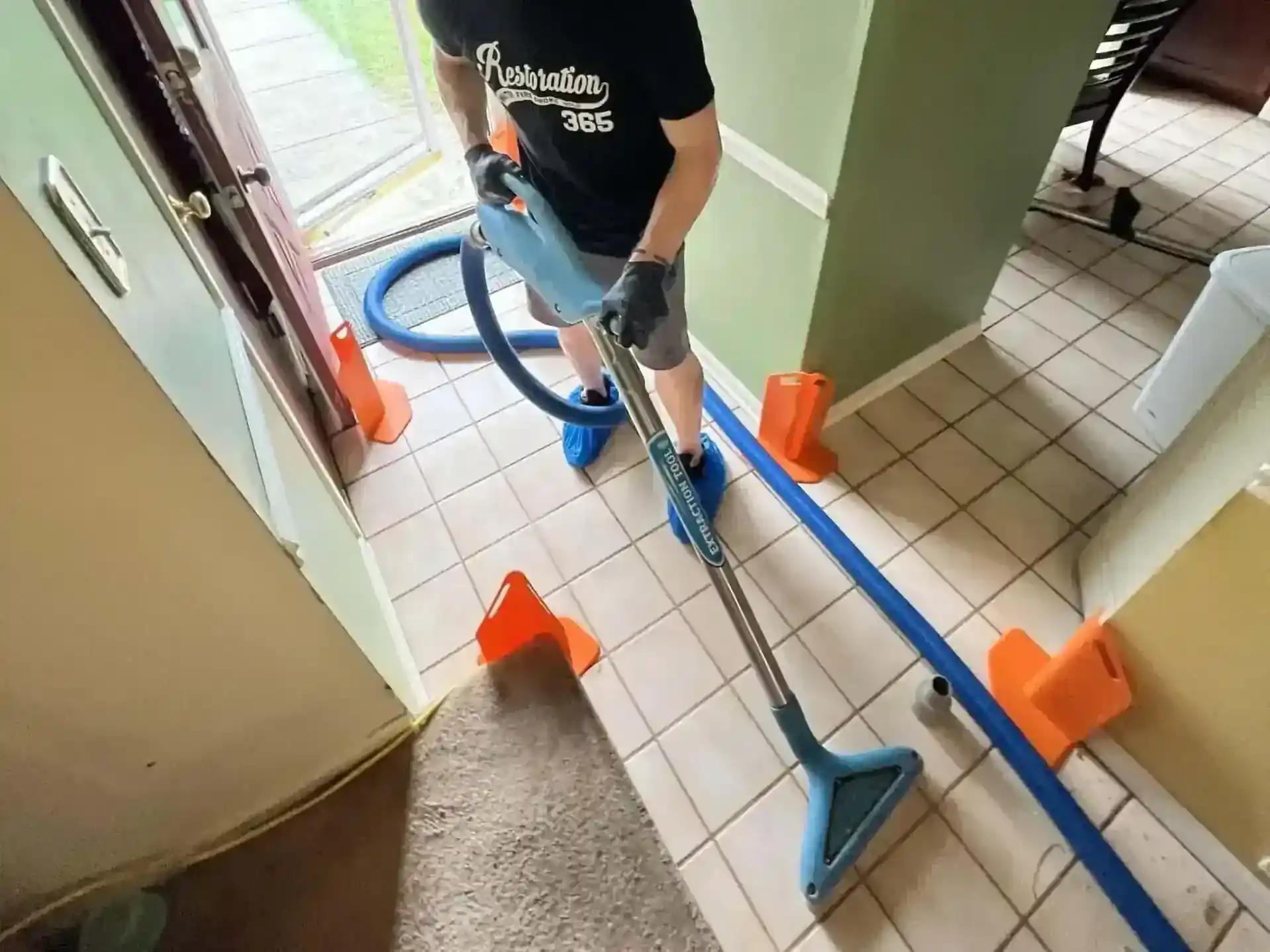
Extraction equipment removes standing water and water held in accessible materials. Equipment is selected for the conditions and access at your home.
Discuss necessary removal
Wet insulation, flooring or drywall may need removal when it cannot be restored or blocks access to affected spaces. We explain the scope and document the reason before demolition. Suspect hazardous materials require assessment and appropriate handling.
Set up structural drying
Air movers and dehumidifiers support evaporation and moisture removal. Placement depends on the materials, affected spaces and safe electrical capacity. Follow the crew’s instructions about equipment and access.
Check progress
We monitor conditions and material readings, adjusting the plan when progress is slower than expected. A calendar alone does not determine completion. Read about drying time and completion checks.
Equipment follows the conditions in your home
Extraction and drying
Pumps and extraction tools remove accessible water. Air movers and dehumidifiers then support drying. A finished basement, a utility closet and a leak that reached a lower floor may each need a different arrangement.
Measurement and access
Moisture meters support decisions about drying progress. Thermal imaging is a screening tool, not a substitute for checking materials. If layers conceal moisture, we explain what access is needed and why.
3. Document cleanup and explain the next steps
We keep photos, scope notes and moisture records to document the affected areas and the work performed. With your authorization, we can provide information to your insurer. Your policy and insurer determine coverage, deductibles and reimbursement.
At the end of mitigation, we explain the drying results and any remaining repair needs. Removing wet materials does not include automatically rebuilding the finished room. Confirm the scope of any later repairs separately. Our cost guide explains the main scope factors.
Customer experiences
Help after water damage
“This company was incredible, they were out within an hour of finding our hot water heater had basically blown up and spent days drying us out and saving whatever items they could for us.”
“The team came out right away same day, assessed the situation, and resolved.”
“Joe and his team responded quickly to our emergency and worked tirelessly for days to dry out our house after extensive water damage to our upstairs.”
Selected excerpts from customer reviews of Restoration 365.
Request Service
Request received.
Thanks for reaching out. We will contact you about your request. For active flooding or standing water, call 267-486-2628 immediately.
Water-Heater Cleanup Near Montgomery County
Need broken water heater cleanup, water heater burst restoration, or basement water removal? We are based in Willow Grove and serve all nearby communities for emergency water damage restoration.
Select a town below for location-specific service details. Don't see your town? We also serve areas beyond the communities featured here — call 267-486-2628 to confirm coverage.
562 Davisville Road
Willow Grove, PA 19090
Our warehouse supports field crews and stored-content appointments. Call before visiting.
Active Flooding? Call Now.
If the water is still spreading, call for immediate help. If the situation is stable, use the request form to ask for a callback.
Active basement flooding, standing water, or urgent cleanup needs.
Stable damage, follow-up questions, insurance coordination, or scheduling.
- We walk through the damage with you — assessment and an explanation of the proposed work
- Once the area is safe, we remove accessible standing water
- Moisture checks help find affected materials behind or beneath dry-looking surfaces
- You get a clear plan: timeline, equipment, what to expect each day
- Insurance docs started on the spot — photos, readings, job notes
- What caused the water issue, such as a burst water heater, leak, or overflow
- Whether water is still actively spreading or has been shut off
- Your property address and best callback number
- Your homeowners insurance carrier and policy details if available
- Photos of visible damage if you already have them
We can help document the visible damage, organize job details, and support communication while cleanup is underway.
What to Do When Your Water Heater Bursts
Step-by-step emergency guide for Montgomery County homeowners — from shutting off the water to documenting damage for insurance.
Read the Full GuideBefore you authorize cleanup
Will every wet material be removed?
No. The decision depends on condition, contamination, access and whether the material can be dried and restored. We explain proposed removal rather than assuming all water-heater leaks need the same demolition.
Can the plumber work while drying continues?
Often the jobs can be coordinated, but safe access and the affected area determine timing. Let each contractor know what the other is doing.
What if the tank is already replaced?
Remaining moisture can still need attention. See what to check after replacement.
How quickly can you arrive?
We can arrive within 60 minutes in the 12 communities listed on this site. Call 267-486-2628 for the current arrival estimate and immediate guidance.
Need Broken Water Heater Cleanup In Montgomery County?
Based in Willow Grove with our office at 562 Davisville Road.