Drying guide
How Long Does Water Heater Cleanup and Drying Take?
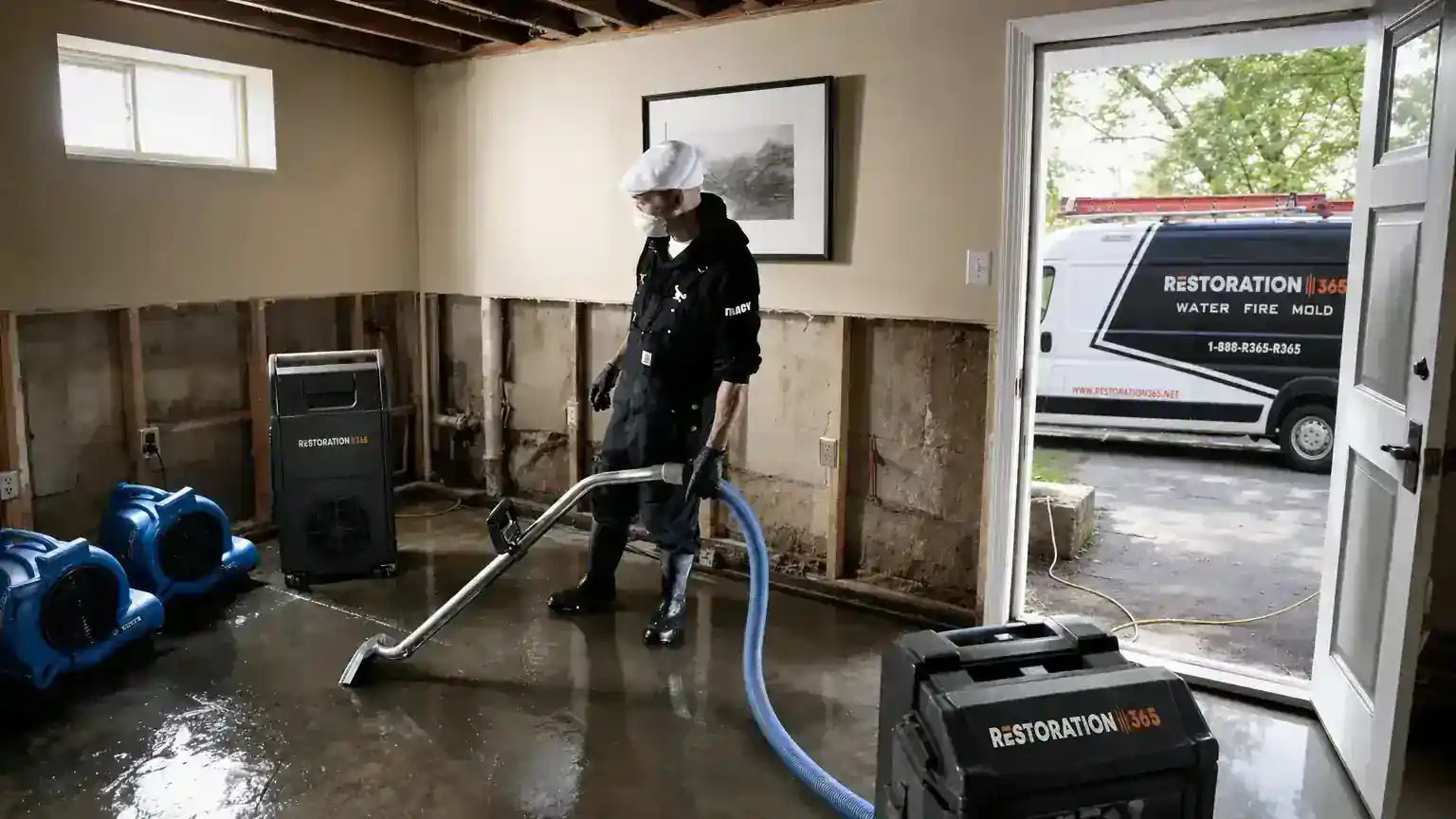
In our experience, extraction can take as little as an hour for a small job or many hours for a larger loss. Structural drying generally takes 3–5 days; most properties we have worked on have been dry within four. Moisture readings determine when equipment can be removed.
Call 267-486-2628Prefer a callback? Send a cleanup request.
Restoration 365 · Reviewed by Joe S. and Tracy D., IICRC-certified technicians.
Published:
What happens on the first visit
Extraction time depends on the amount of water and how we can reach it. Small jobs may take about an hour; larger jobs can take many hours. On very large losses, sump pumps may need to run overnight. Those are examples from our work, not a promise for every water-heater leak.
After the leak and safety concerns are controlled, we assess the affected area, extract accessible water and identify wet materials. Carpet, walls and adjoining rooms may need checking even when the water appears to be confined to the utility room.
That first inspection gives us a starting point for equipment and follow-up visits. A photo or the size of the puddle alone cannot establish when the room will be dry. Ask the crew what they found, what the initial plan covers and when they will check it again.
What changes the drying schedule
Our usual drying range is 3–5 days after equipment is set up, and most properties we have worked on have been dry within four days. That experience is a starting point for planning. The condition of your materials and the moisture readings may call for a different schedule.
- Materials: exposed concrete, carpet padding, wood and enclosed wall cavities need different approaches.
- Access: water beneath flooring or behind built-in cabinets may be harder to reach.
- Duration: a leak discovered quickly can present a different scope from a slow leak found after materials have remained wet.
- Room conditions: temperature, humidity, airflow and continued moisture entry affect drying.
- Equipment operation: interruptions or changes to the setup can affect progress.
Our experience is that basement jobs can take longer because of below-grade conditions and access to wet materials. That is a possibility to assess at your home, rather than a fixed extra number of days for every basement.
How we decide materials are dry
A surface that feels dry does not tell the whole story. We use moisture readings to identify affected materials and track their progress. The relevant reading depends on the material and the location being checked; there is no single household percentage that proves every room is ready.
Ask for the drying goal, the locations being monitored and an explanation of any readings that are not improving. If progress stalls, the crew may need to adjust equipment or reassess whether concealed wet material needs access. The cleanup process should connect these decisions to the conditions found in your home.
Living with drying equipment
Before the crew leaves, ask which equipment needs to keep running, how condensate water is handled and who to contact if a unit stops. Keep the agreed airflow paths clear. Tell the crew about noise concerns, access needs or circuits that trip so they can address the setup.
Do not move equipment, turn it off overnight or open windows without discussing the drying plan. If equipment creates an electrical concern, stay clear and contact the crew; an electrician may be needed. A quiet room can be appealing, but undocumented interruptions make progress harder to assess.
Why prompt drying matters
EPA recommends drying wet materials within 24–48 hours where possible to reduce the chance of mold growth. That is a prevention target, not a promise that a whole building will dry within two days, or a claim that mold appears at an exact deadline. Read EPA’s moisture guidance.
A delayed discovery needs an assessment of the current conditions. Musty odors, visible growth or damaged materials may change the work required. Covering the surface with new flooring or paint before the moisture problem is resolved can leave the underlying issue in place.
Drying completion and rebuilding are separate
Rebuilding often takes the longest. For self-pay work, repairs can begin once drying is complete and the scope, materials and crew are ready. A small ceiling repair may take hours; larger repairs can take days or weeks, and a whole-home rebuild takes longer.
Insurance-funded repairs also depend on the carrier’s inspection and claim process. In our experience, that adds at least days and often weeks or months before the rebuild can move forward. Ask the adjuster what inspections or approvals are needed and ask the contractor for a separate repair schedule. The claim timetable should not be confused with the time needed to extract water and dry the building.
Equipment removal should follow the drying assessment. Replacing trim, drywall, flooring or other removed materials is a separate part of the project and needs its own scope and schedule. Ask what documentation you will receive when drying finishes.
If you are comparing estimates, check whether they include monitoring visits and whether repairs are included. Our water-heater cleanup cost guide explains the main cost categories. For a finished lower level, read basement cleanup after a water-heater failure.
A water-heater cleanup from our records
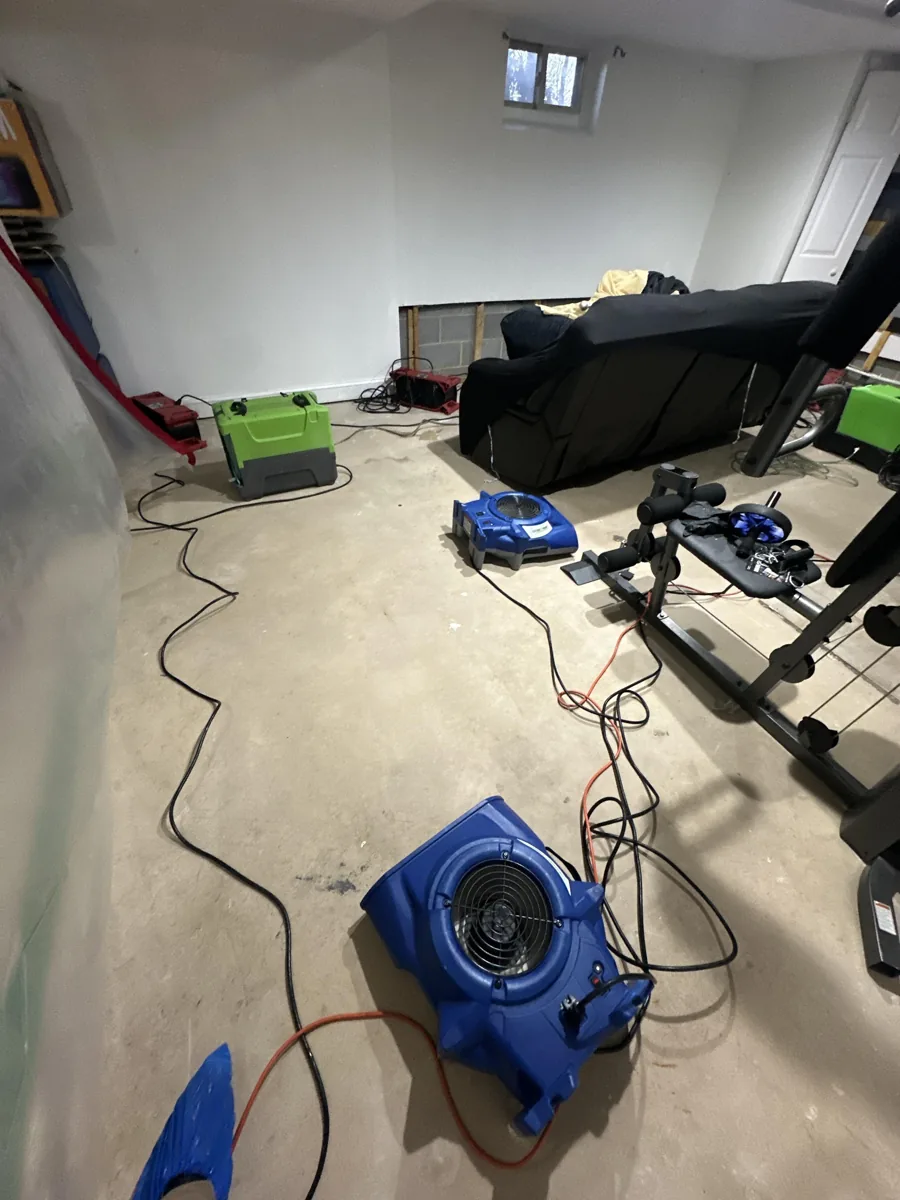
See the documented local cleanup example. Every property needs its own assessment.
Request a cleanup callback
Tell Restoration 365 what happened and where you need help. We will contact you to discuss the cleanup.
Active flooding or standing water? Call 267-486-2628 for emergency availability. Do not wait for a form response.
Request received.
We will contact you about your request. For urgent help, call 267-486-2628.