
As the cold grip of winter tightens, your home becomes susceptible to a variety of seasonal threats, with water damage at the forefront. From frozen pipes to ice dams, the winter months can wreak havoc on your home’s structural integrity if preventative measures aren’t taken. Did you know that insurance claims for water damage increase significantly during winter, with billions of dollars spent annually? This alarming statistic underscores the importance of winter proofing your home to prevent water damage—a proactive step that can save you from costly repairs and heartache. Understanding how winter affects your home is crucial, as it sets the stage for implementing essential strategies to safeguard your property against the elements.
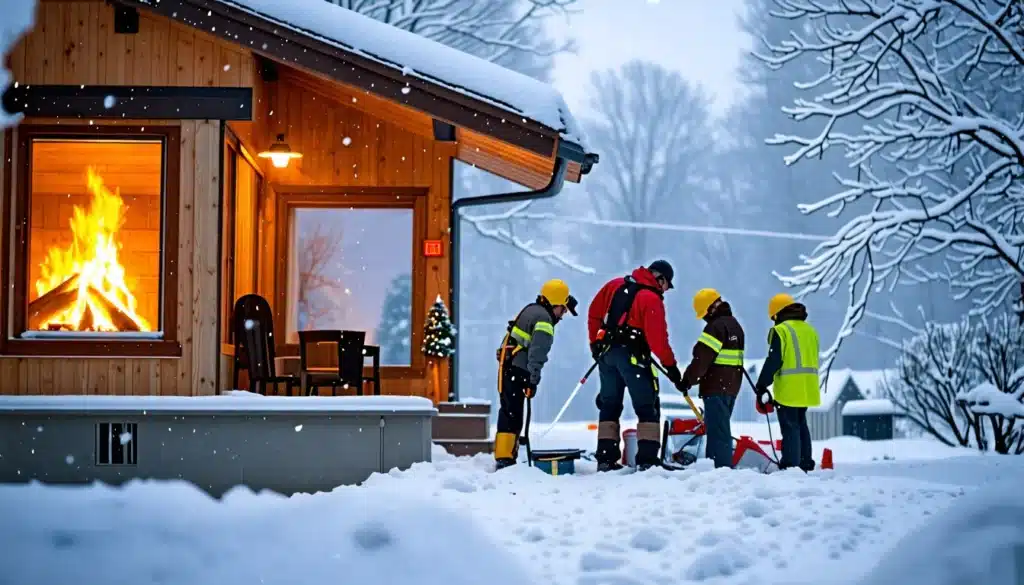
By focusing on practical winter proofing techniques, you can shield your home from the potential onslaught of winter water hazards. Insulating pipes and sealing leaks are fundamental steps, while managing external elements like gutter cleaning and ensuring proper drainage can help prevent ice dams and water accumulation. While there are numerous DIY tips available, sometimes the complexity of full winter protection necessitates the expertise of professionals who can guarantee your home is adequately fortified.
Moreover, the maintenance and monitoring of your home are paramount throughout the winter months. Regular home maintenance checks can catch potential issues early, and integrating modern technology, like smart home devices, can help monitor and manage water risks. Creating a comprehensive winter proofing checklist allows for continuous assessment, ensuring long-term protection against water damage.
Winter proofing your home to prevent water damage is not just about short-term fixes—it’s about safeguarding your investment for the future. For those seeking expert advice and assistance in implementing these preventative measures, reaching out to professionals can provide peace of mind and ensure that your home remains a safe, secure haven throughout the winter season and beyond. If you’re considering going beyond DIY efforts and looking for expert guidance, our team is here to help you navigate the complexities of winter proofing successfully.
Understanding the Risks: How Winter Affects Your Home and Causes water damage
As the winter months approach, homes are exposed to a variety of conditions that can lead to significant water damage. It is crucial to understand the potential risks that your home may face during this time. water damage not only poses a threat to the structural integrity of your home but can also lead to expensive repairs and potential health hazards like mold. By understanding these risks, homeowners can take proactive measures to protect their investments through effective winter proofing your home to prevent water damage.
Frozen Pipes: A Major Concern
One of the most common issues that arise during winter is frozen pipes. When the temperature drops, the water inside pipes can freeze and expand, causing the pipes to burst. This can lead to flooding inside the home and cause thousands of dollars in damage. According to the Insurance Institute for Business and Home Safety (IBHS), a single burst pipe can release up to 250 gallons of water per day, which can overwhelm a home’s structure and result in severe water damage.
Ice Dams: A Silent Threat
Ice dams form when warm air from inside the home escapes into the attic, melting snow on the roof. As the melted snow runs down, it re-freezes at the colder eaves, creating a barrier of ice, or an ice dam. This can prevent additional melting snow from draining properly, causing it to seep into the roof and walls of the home. This seepage can lead to rot, mold, and even damage to insulation and drywall. A study by the University of Minnesota found that homes with inadequate insulation and ventilation are most susceptible to ice dams, causing numerous water damage incidents each winter.
Melting Snow: An Overlooked Hazard
While heavy snowfall can be picturesque, it presents potential dangers when it begins to melt. Melting snow can become a serious issue if the water doesn’t flow away from the home properly. Poor drainage can lead to accumulation of water around the foundation, increasing the risk of basement flooding and foundation damage. The U.S. Federal Emergency Management Agency (FEMA) reports that basement flooding is one of the most common hazards homeowners face during winter months, exacerbated by improper drainage and winter thaw cycles.
Statistical Insights on Winter water damage
Statistics reveal the scale and frequency of winter-related water damage incidents. The Insurance Information Institute (III) reports that water damage and freezing account for nearly 22% of all homeowners insurance claims in the United States, with a significant portion occurring during the winter months. Furthermore, the average cost of a water damage claim is approximately $10,234, underscoring the financial impact that winter water damage can have on homeowners.
The Importance of Preemptive Winter Proofing
Understanding the risks that winter poses to your home is just the first step. Proactively winter proofing your home to prevent water damage is essential to safeguarding your property and avoiding costly repairs. By addressing potential vulnerabilities in your home, such as insulating pipes, sealing leaks, and improving attic ventilation, you can significantly reduce the likelihood of water damage during winter.
While some homeowners may feel confident in tackling basic winter proofing tasks themselves, others may benefit from professional guidance to ensure comprehensive protection. An expert can provide tailored solutions specific to your home’s unique conditions, thereby reducing the risk of significant water damage. Should you have any questions or require professional assistance, our team of specialists is readily available to help you secure your home against winter’s harshest elements.
With the winter months rapidly approaching, now is the time to take action. By preparing in advance, you can enjoy peace of mind knowing that your home is protected against the potentially devastating impacts of winter water damage. For a thorough assessment and tailored winter proofing plan, consider reaching out to professionals who specialize in protecting homes from cold weather challenges. Your home deserves the best protection possible, and we’re here to assist you every step of the way.
Essential Winter Proofing Techniques to Safeguard Your Home
Winter can be unforgiving when it comes to maintaining the integrity of your home. However, by employing effective winter proofing techniques, you can significantly reduce the risk of water damage. Let’s explore some essential strategies that will help you protect your home from harsh winter conditions.
Insulating Pipes to Prevent Freezing
Frozen pipes are one of the most common causes of water damage during winter. When water inside pipes freezes, it expands, potentially causing pipes to burst. To prevent this, it’s crucial to insulate pipes, especially those exposed to unheated areas like basements, attics, and garages. There are various insulation materials available such as foam pipe sleeves, heat tape, and fiberglass. Wrapping pipes with these materials creates a protective barrier that keeps the cold at bay.
In addition to insulating pipes, it’s also advisable to maintain a consistent temperature within your home. Keeping your thermostat set at a steady temperature, even when you’re away, can ensure pipes are kept warm enough to prevent freezing.
Sealing Leaks and Drafts
Cold air can seep into your home through leaks and drafts, causing your heating system to work harder and raising energy bills. More importantly, these drafts lead to uneven temperatures that contribute to potential water damage. Check for leaks around windows, doors, and electrical outlets, and seal them using weatherstripping or caulking.
In older homes, it’s also beneficial to inspect attic floors and walls for possible leaks where cold air could enter. Applying an extra layer of insulation or using spray foam can effectively seal these areas and prevent potential damage to your home due to temperature fluctuations.
Managing Exterior Elements
Winter’s exterior elements, such as snow and ice, can inflict significant damage if not managed properly. One of the critical tasks is cleaning your gutters and downspouts before winter sets in. Clogged gutters can cause water to overflow and freeze, leading to ice dams, which block melting snow from draining off the roof. This can result in water seeping into your home, damaging walls, ceilings, and insulation.
Ensure proper drainage by sloping soil away from your foundation and extending downspouts to direct water far from your home. If snow accumulation is significant, safely remove excess snow from the roof with a roof rake to prevent the formation of ice dams. Additionally, installing gutter guards can minimize debris buildup, helping maintain clear waterways.
DIY Tips and Knowing When to Seek Professional Help
While some winter proofing tasks can be tackled with a DIY approach, others may require professional assistance to ensure they are done correctly and safely. For instance, minor pipe insulation projects are manageable for many homeowners; however, adding insulation to your entire home might be best handled by experts who can assess its thermal envelope comprehensively.
If you’re unsure about the condition of your roof or gutter system, contacting a professional for an inspection can help you avoid future headaches. Experts have the tools and knowledge to secure your home effectively, and they can spot potential issues that might be overlooked by the untrained eye.
In conclusion, although there are various methods to winter proof your home to prevent water damage, understanding your limits and seeking professional help when necessary can save you significant time and expense. The investment made in professional services now can prevent costly repairs in the future. If you’re feeling overwhelmed or need detailed guidance, don’t hesitate to contact us for expert assistance—ensuring your home remains safe and sound throughout the winter months.
Maintaining vigilance during the winter months is crucial to effectively preventing water damage in your home. Regular maintenance and diligent monitoring form the foundation of a robust defense system against potential winter water hazards. Your efforts to winter proof your home to prevent water damage should not stop at preparation alone; continuous oversight and proper maintenance can significantly minimize risks and safeguard your property.
The Importance of Regular Home Maintenance Checks
Conducting consistent home maintenance checks throughout the winter season is a proactive approach to identifying and addressing potential issues before they escalate. Key areas to focus on include:
- Roof Inspection: Regularly check your roof for missing or damaged shingles that could lead to leaks. A sound roof structure is integral in keeping water out.
- Gutter Maintenance: Clean your gutters to prevent blockages that can lead to ice dams, a common source of water damage during winter.
- Pipe Integrity: Inspect exposed pipes for signs of wear or potential freezing risk, as burst pipes are a primary source of water damage.
These routine checks are your first line of defense, significantly reducing the likelihood of encountering severe water damage problems when executed consistently. While DIY approaches are valuable, some situations require professional assessment to ensure a thorough review and necessary repairs.
The Role of Modern Technology
Incorporating modern technology into your winter home maintenance routine can greatly enhance your ability to monitor and respond to water hazards. Smart home devices have emerged as powerful tools in this regard:
- Smart Leak Detectors: These devices can identify leaks early and alert homeowners instantly, allowing for rapid response before minor issues become major problems.
- Remote Temperature Sensors: Managing temperatures in areas prone to freezing, such as basements or attics, these sensors help in maintaining a stable environment that discourages the freezing of pipes.
- Smart Thermostats: These can be programmed to maintain adequate heating levels, preventing pipes from freezing and bursting.
Integrating these technologies into your winter proofing strategy not only assists in preventing water damage but also provides peace of mind knowing that potential issues are being actively monitored.
Creating a Winter Proofing Checklist
To ensure consistent and comprehensive protection, developing a winter proofing checklist is advisable. This tool serves as a reminder of crucial tasks and simplifies the process of maintaining your home. Consider including the following elements:
- Pre-Winter Preparation Tasks: Document all preparations, such as roof and gutter inspections, pipe insulation, and sealing window or door leaks.
- Weekly Maintenance Routines: Establish a schedule for checking vital areas, like plumbing, heating systems, and exterior drainage.
- Technology Check-Ups: Regularly test and update any smart devices you use for monitoring water hazards to ensure they are functioning correctly.
This checklist not only provides an organized approach to maintaining your home but also ensures that no critical steps are overlooked. Moreover, it serves as a practical guide for both DIY enthusiasts and those considering professional assistance.
When to Seek Professional Assistance
Despite all preventive measures, there may be times when professional expertise becomes necessary. Indicators that you should seek professional help include:
- Repeated Water Intrusions: If water issues recur despite your best efforts, a professional may provide insights into underlying structural issues that need to be addressed.
- Severe Weather-Caused Damage: After severe storms or prolonged freeze periods, an expert examination can ensure no critical damage has been overlooked.
- Complex Installations or Repairs: For advanced smart home systems or major repairs, professionals can install or repair correctly, ensuring long-term efficacy and safety.
The importance of engaging with experts cannot be overstated. Their knowledge not only resolves current issues but also fortifies your home’s defenses against potential future incidents.
In the battle against winter water damage, persistence, technology, and expert guidance form a trifecta of prevention that keeps your home secure. Every step toward winter proofing your home to prevent water damage brings invaluable peace of mind during the harshness of the season. If you find yourself overwhelmed or seek further assurance, do not hesitate to consult professionals who specialize in home maintenance and water damage prevention. Their expertise can transform your winter precaution efforts from sufficient to exemplary, ensuring your home remains a safe, dry sanctuary.
As the frost and chill of winter approach, understanding the risks and taking proactive steps becomes crucial for homeowners keen on safeguarding their properties. water damage, often underestimated, can wreak havoc on unprepared homes through seemingly innocuous pathways such as frozen pipes, ice dams, and melting snow. Past incidents and statistics serve as a stark reminder of the financial and emotional tolls such damages can impose, underscoring the pressing need for winter proofing your home to prevent water damage.
Implementing practical techniques for winter proofing is essential in shielding your property from the ravages of winter. From insulating pipes to sealing leaks, these strategies offer peace of mind by fortifying your home against the seasonal elements. Furthermore, tending to exterior elements, such as maintaining clean gutters and ensuring effective drainage, plays a critical role in preventing ice dams and unwanted water buildup. By tapping into a mix of DIY approaches and professional expertise, homeowners can ensure their defenses against water damage are robust and comprehensive.
Beyond initial preparations, the commitment to regular maintenance and vigilance throughout winter ensures ongoing protection. Embracing modern technology such as smart home devices aids in the meticulous monitoring of potential water issues, providing real-time alerts and solutions before minor problems escalate into significant disasters. A winter proofing checklist becomes your roadmap for continuous assessment, enabling you to stay ahead of any hazards the season may bring.
In conclusion, winter proofing your home is not just a one-time task but an ongoing endeavor that pays off by protecting your investment and ensuring your peace of mind. By taking these essential steps, you position yourself to welcome winter with confidence, knowing that both you and your home are ready to face the season’s challenges. While many tasks can be done yourself, don’t hesitate to contact our team of experts for professional assistance, ensuring that your home remains a safe haven year after year.


